The Calendar Has a Soul: Reclaiming Africa's Sacred Rest in a Nation That Forgot How to Stop

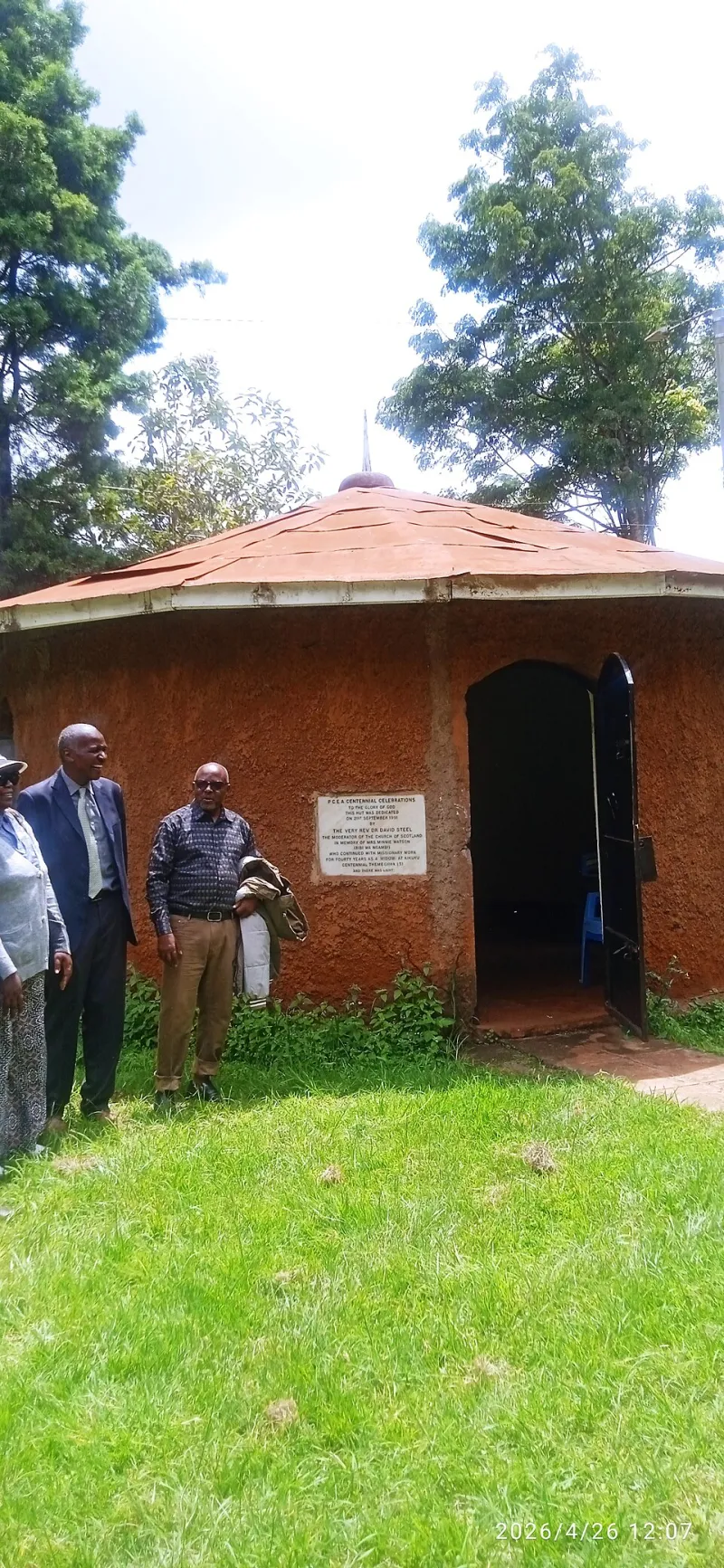
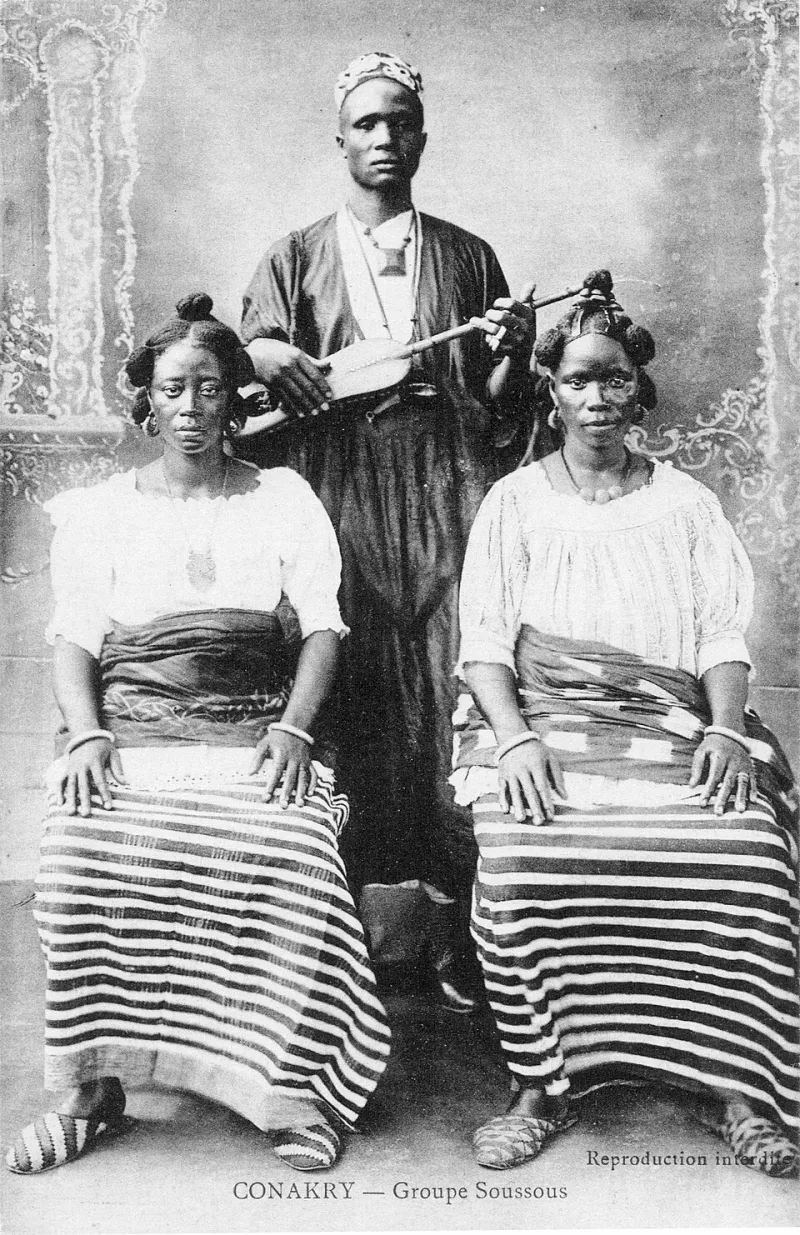
Photo: Shalom Olivier, CC BY 4.0, via Wikimedia Commons
America has a strange theology of exhaustion. We speak of burnout the way earlier generations spoke of sin, as a personal failing to be managed through better habits and smarter apps. The wellness industry sells us rest in fifteen-minute increments, optimized and monetized, while the underlying calendar, the one that structures our actual lives, remains untouched. We do not need more naps. We need a different calendar, and there are societies that have kept one for centuries.
Across the African continent, the social calendars of many cultures were built on a premise that American life has quietly abandoned: that rest, grief, celebration, and play are not interruptions of productive life but load-bearing walls of it.
Rest as a Scheduled Institution
Consider how many African societies institutionalized pause. Farming communities across the Sahel and East Africa built the agricultural calendar around cycles that included deliberate fallow periods, not only for the land but for the people who worked it. Mourning periods in cultures from Ghana to Madagascar were lengthy, structured, and communal; grief was given time and ritual shape rather than a three-day bereavement allowance. Festivals such as homowo in Ghana or the great durbar gatherings of northern kingdoms did not squeeze celebration into an evening. They reorganized whole towns around it, sometimes for weeks.
The philosophical underpinning is visible in concepts like ubuntu, the Southern African understanding that a person is a person through other persons. If personhood is relational, then the gatherings that sustain relationships, including the gatherings that produce nothing economically measurable, are infrastructure. Canceling them is not efficiency. It is demolition.
What the Diaspora Kept
The rest-is-resistance movement that has gained traction in the United States, particularly among Black women confronting the demands of a relentlessly extractive economy, did not emerge from nowhere. It draws on practices that communities of African descent preserved through slavery and segregation, often at enormous cost. Watch-night services, second-line funerals in New Orleans, family reunions that stretch across days, the church picnic as a sacred institution: these are the surviving fragments of a calendar that once made rest and grief and joy non-negotiable.
That the movement must now frame rest as resistance tells us something uncomfortable. In a society that treats constant availability as a virtue, choosing to stop is an act of defiance. But the African traditions suggest a more ambitious goal: a society where stopping requires no defiance at all, because the calendar itself protects it.
What Adoption Could Actually Look Like
Mainstream America does not need to import rituals wholesale, and it would be both inaccurate and patronizing to suggest it could. What it can do is adopt the underlying design principle: that certain periods of rest, mourning, and celebration belong to the community, are scheduled, and are defended from economic encroachment.
Some of this is already happening at the edges. Juneteenth's establishment as a federal holiday is, among other things, a recognition that commemoration deserves calendrical weight. Companies experimenting with grief leave that matches the reality of loss, and school calendars that respect religious and cultural observance, are re-institutionalizing what hustle culture dissolved. Labor organizing around the four-day week is, at bottom, a demand for the fallow period.
The objection will come immediately: the economy cannot afford it. But the African calendars were not built by wealthy societies. They were built by communities that understood, with a precision we have lost, that a depleted people cannot sustain anything, least of all an economy. The hustle is not what makes us productive. What makes us productive, when we are lucky, is everything the hustle devours.
A nation that forgot how to stop might begin by studying those who never forgot. The calendar, it turns out, has a soul. Ours is simply overdue for restoration.